
CHIETAL | Meditation, Mind, and Neuroscience
Could a headband tell you what your child is thinking—or does a colorful brain graph tell a much narrower story?
An Everyday Story
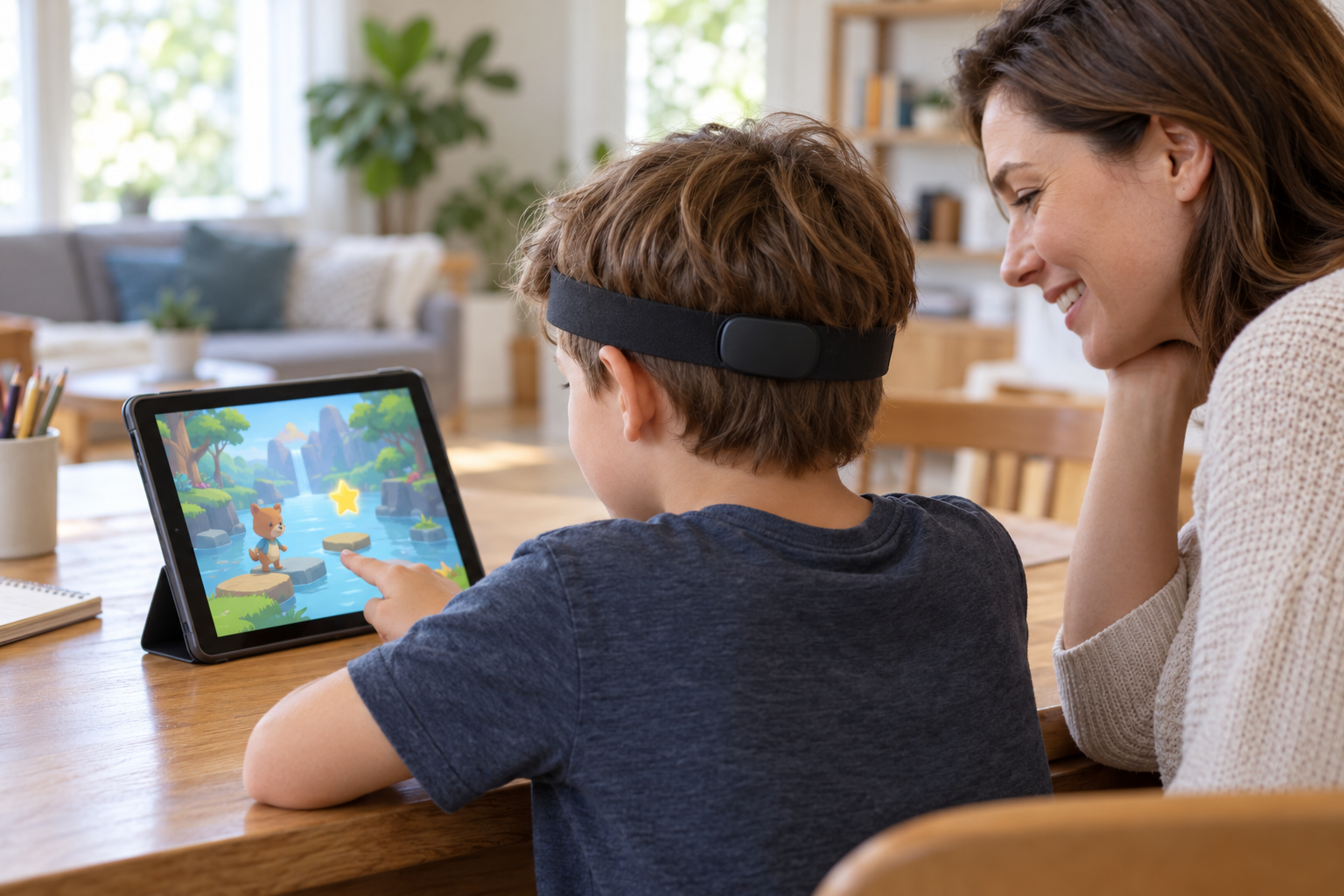
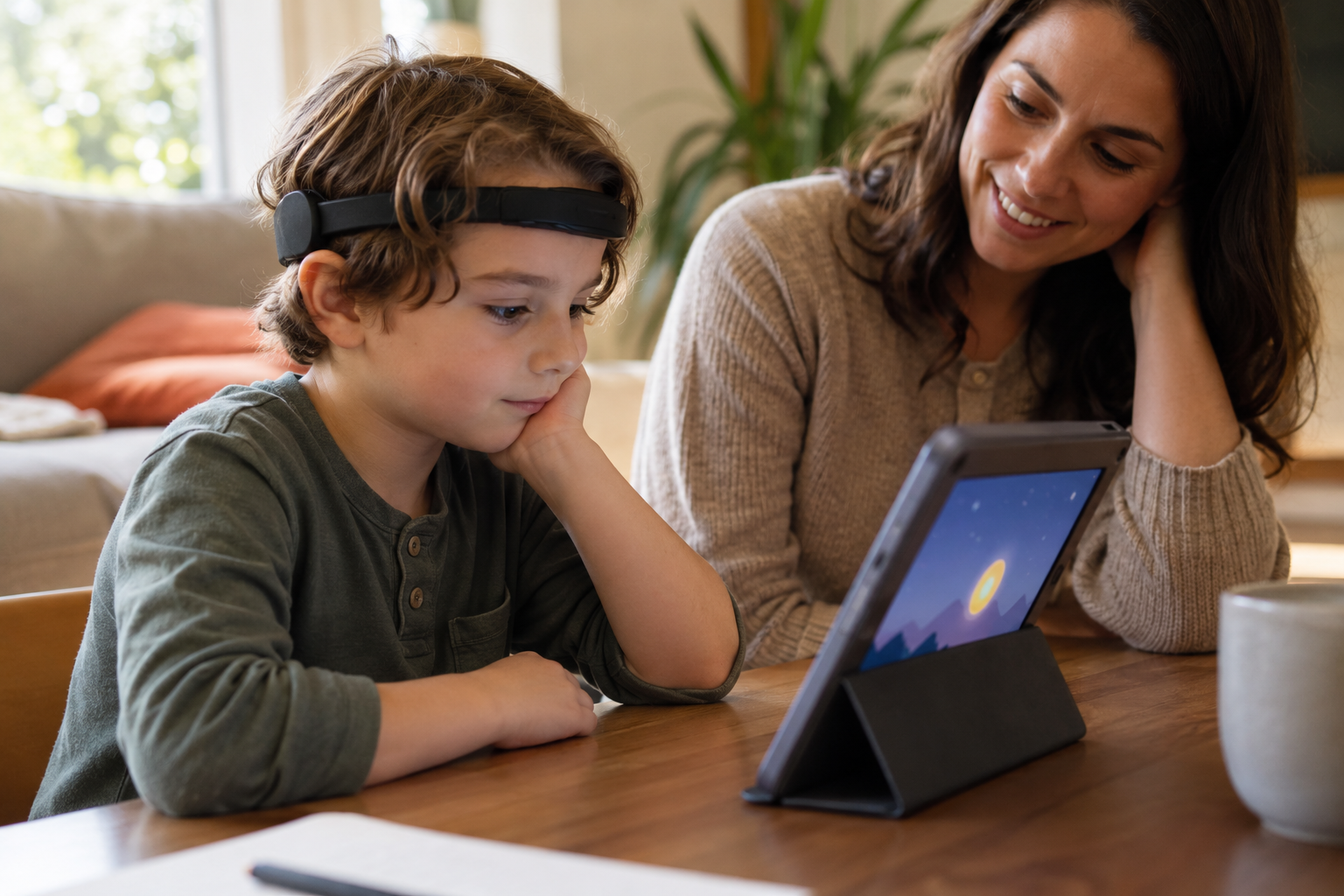
Imagine a parent and child trying an educational activity on a tablet with a compatible EEG device. A rocket changes speed as the application processes signals. The child smiles and says, “I’m making it move with my brain.”
Then the rocket slows. The parent nearly says, “You stopped concentrating,” but pauses. The sensors may have shifted. The child may have blinked or moved. The application is translating selected information into a game response; it cannot explain the whole situation.
Instead, the parent asks, “What did you notice? Was the headband comfortable? What do you think the app is measuring?” They read the instructions together and stop when the child wants a break.
This hypothetical family scene shows an opportunity to learn about measurement and interpretation. It should never become a test of a child’s worth, intelligence, or ability to be calm.
What exactly is EEG?
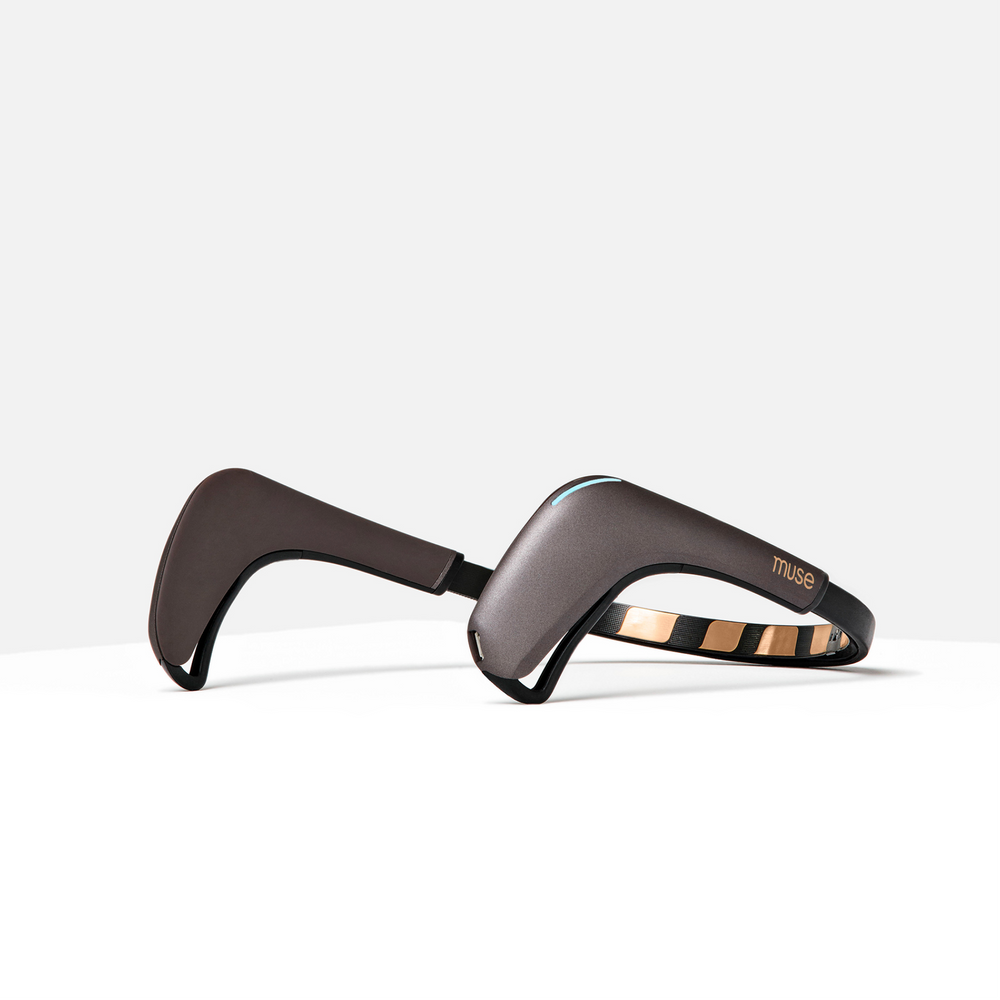

EEG is a noninvasive method of recording electrical activity associated with the brain. Small sensors called electrodes are placed on the scalp, where they detect tiny voltage differences produced in part by the coordinated activity of large groups of neurons. The signals are usually measured in microvolts, or millionths of a volt.
Neurons communicate through electrical and chemical signals as we think, learn, move, remember, and respond to the world. EEG provides information about some of that activity over time, but a recording does not reveal exactly what someone is thinking. For a more technical reference, see Normal EEG Waveforms from NCBI Bookshelf.
How does an EEG headband work with a tablet?
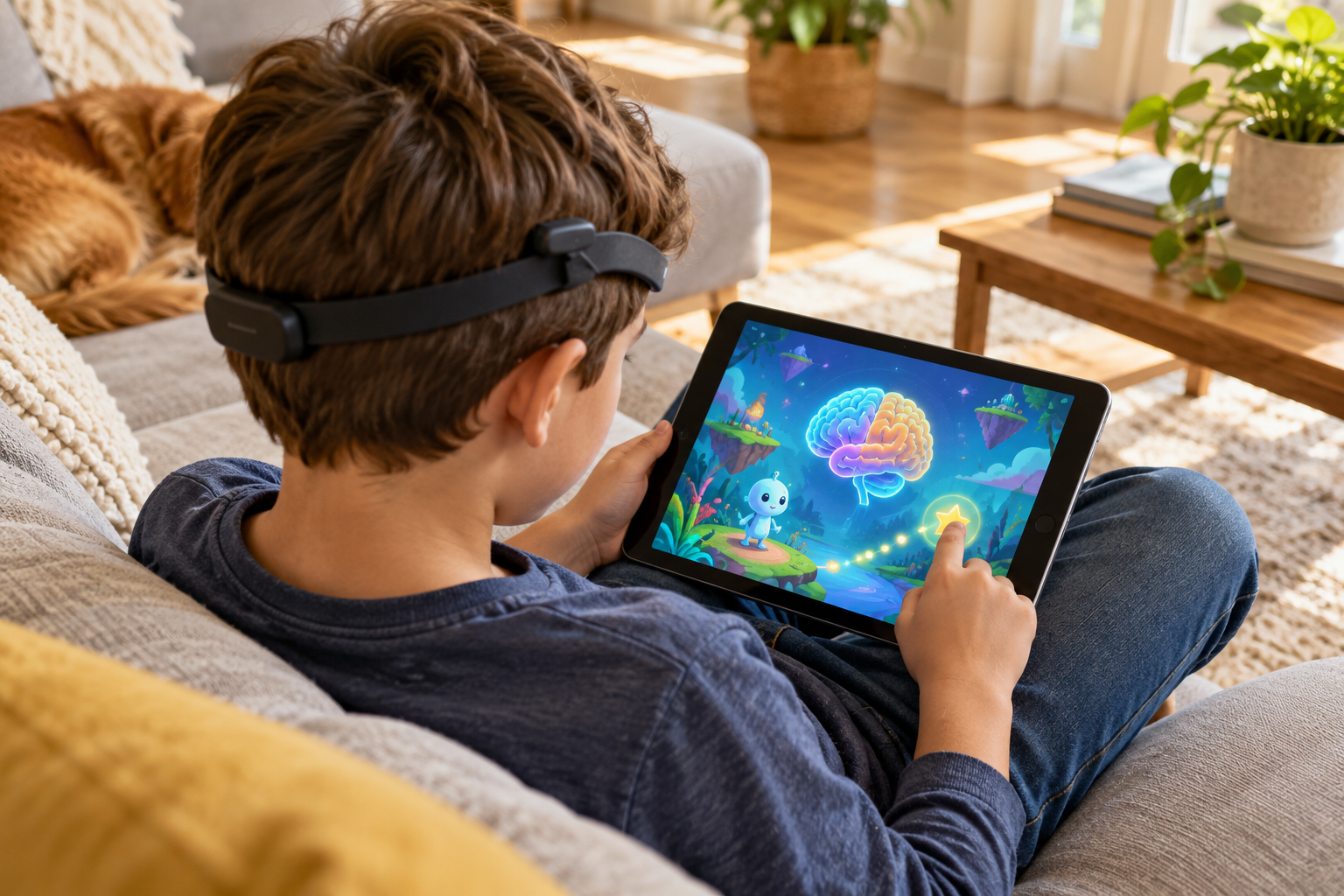
When groups of neurons produce electrical activity, electrodes detect tiny differences in voltage at the scalp. The device amplifies the signals and converts them into digital data. Compatible software then analyzes selected features while attempting to reduce interference from movement, blinking, and other sources.
An application can present the results as a graph, sound, or change in a specially designed game. For example, selected EEG features might influence a rocket on the screen while a child follows the activity and observes the feedback. Different devices and applications work differently, and an on-screen score is a software interpretation—not a direct measurement of concentration.
Can EEG make learning about the brain fun for children?
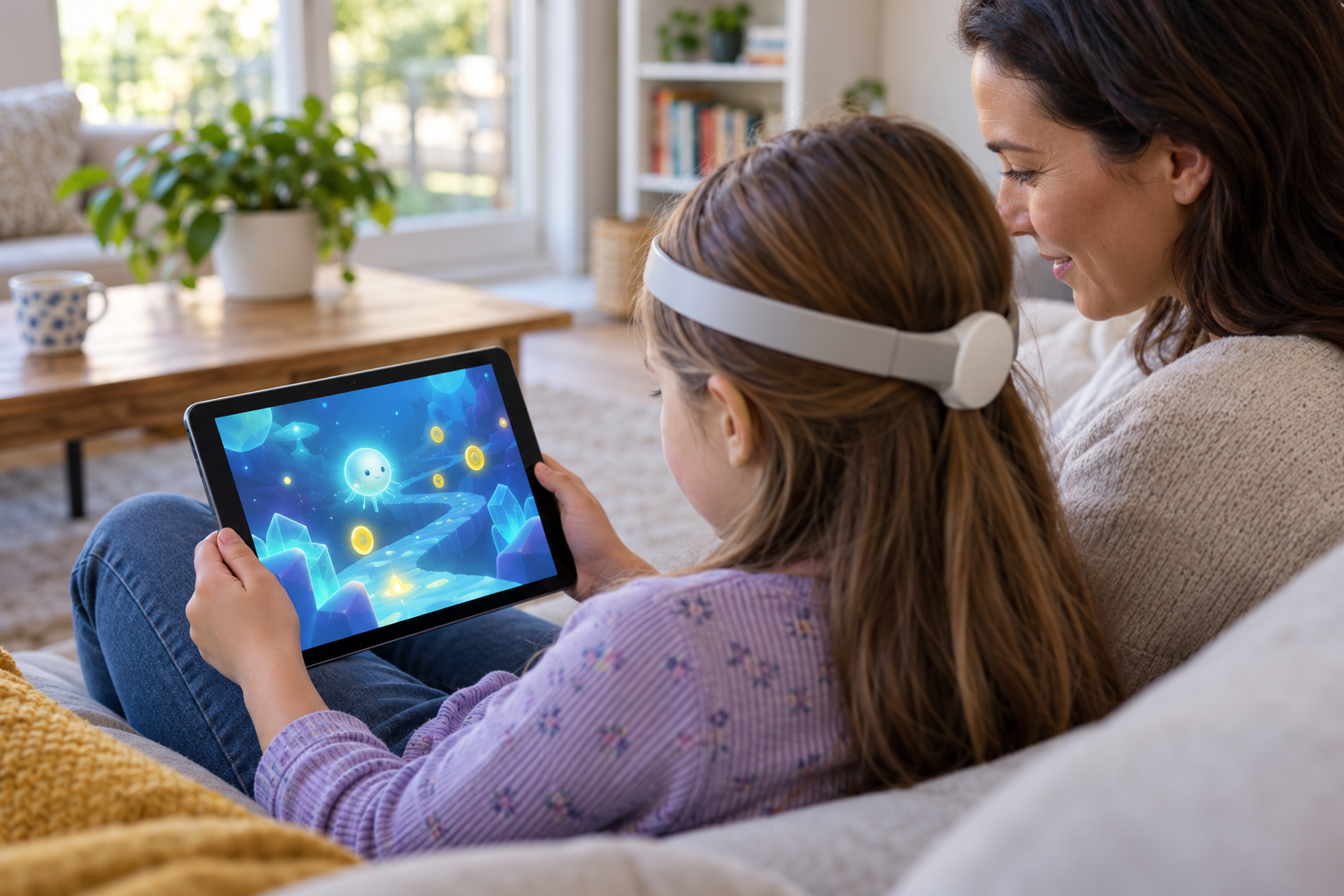
Interactive activities can give children a reason to ask questions about attention, breathing, and how scientists study the brain. With a supportive adult, a child can compare what the sensors record with what an application estimates and learn that those are different kinds of information.
Some activities invite children to notice distraction and return to a task; others use sounds or visual changes during a short relaxation exercise. The experience should be voluntary, comfortable, age-appropriate, and guided by an adult. A child can also practice breathing or attention without a headset.
An engaging activity is not proof that it produces lasting improvements in attention or emotional regulation. Any claimed benefit depends on the specific program and the quality of the evidence supporting it.
What can EEG actually measure?
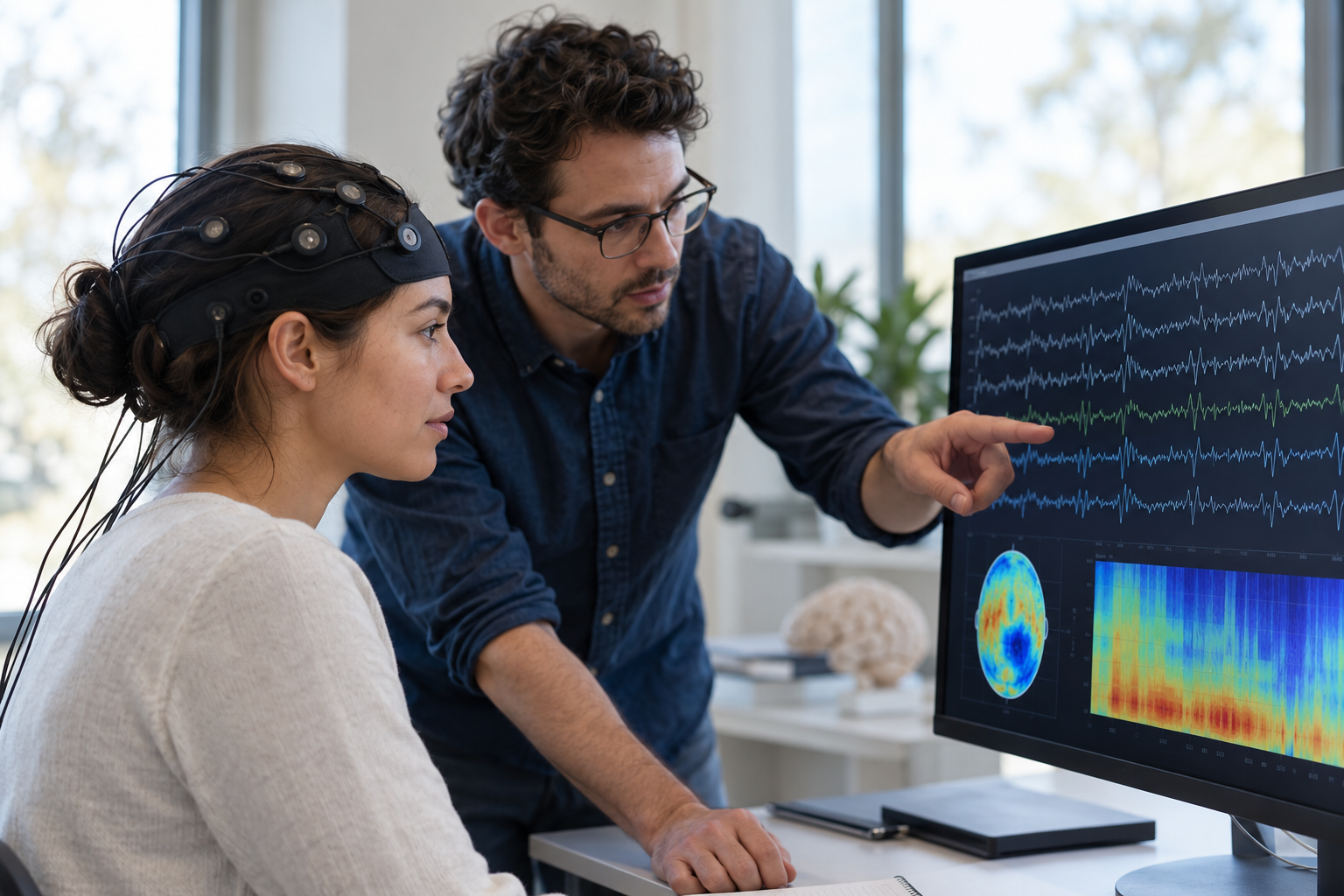
EEG records changes in electrical voltage at the scalp over time. Researchers can examine different frequency ranges, compare recordings during tasks and rest, or study responses associated with sounds and images. They also use EEG to investigate sleep stages. A consumer device may estimate sleep-related patterns, but that is not the same as a comprehensive clinical sleep study.
Understanding the five major brainwave frequencies
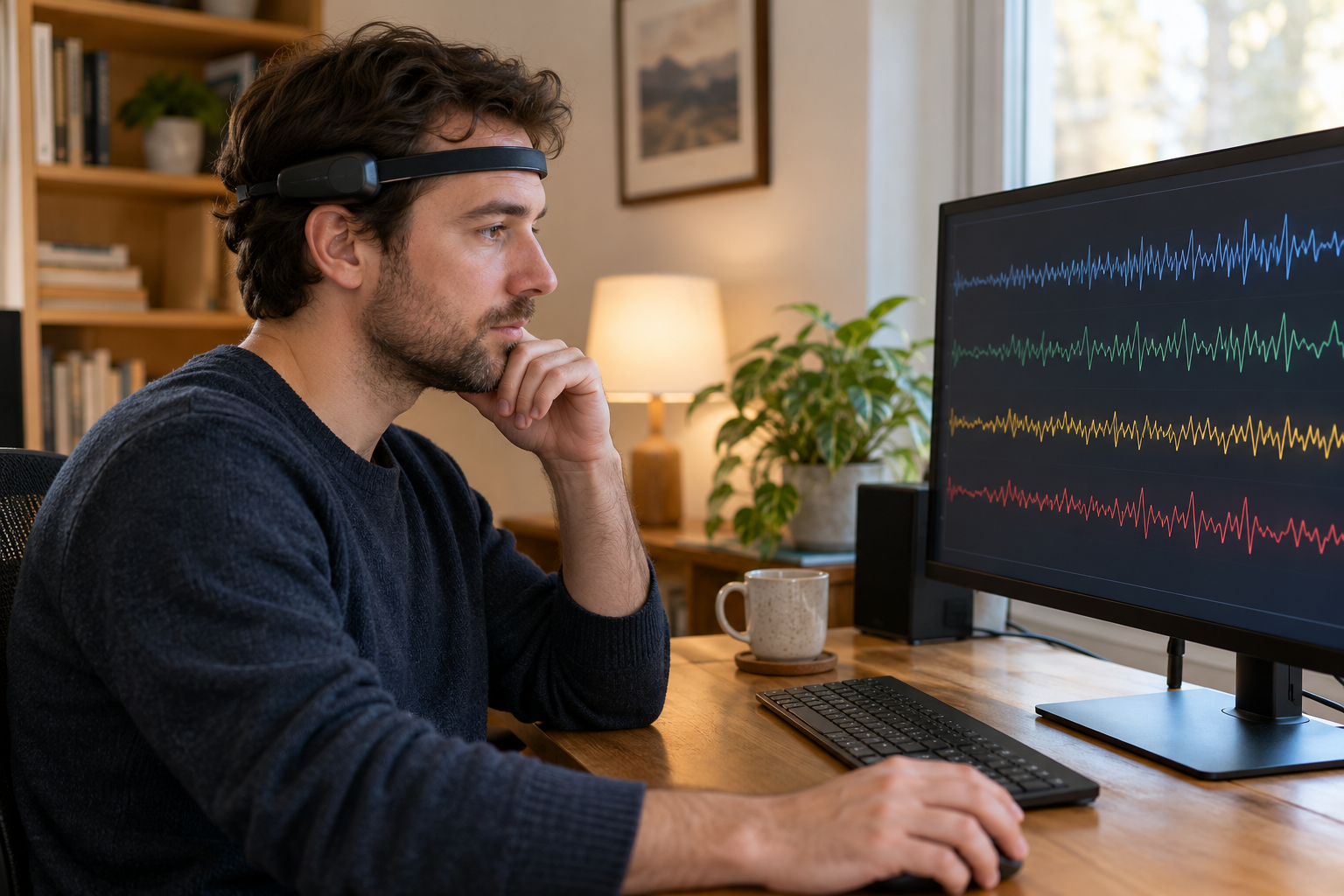

Common approximate bands are delta (0.5–4 Hz), theta (4–8 Hz), alpha (8–13 Hz), beta (13–30 Hz), and gamma (30 Hz and above). These ranges are approximate, and several rhythms can occur at the same time. They are not separate emotional states: alpha activity may increase when a person closes their eyes, while a change in beta activity does not automatically mean someone is anxious or focused. Context matters. For a fuller explanation, read Understanding Brainwaves: Alpha, Beta, Theta, Delta & Gamma.
What is EEG biofeedback, and how can games use it?

Biofeedback presents information about physiological activity so a person can practice responding to it. When the feedback is derived from EEG recordings, it is called neurofeedback. In a specially designed game, software might use selected EEG features to change a character or its surroundings while the child follows instructions and repeats an exercise.
A changing game character does not prove that someone has become calmer or more focused. Interpretation depends on signal quality, the software’s rules, and the training design. Evidence for lasting benefits varies across applications.
Can EEG read a child’s thoughts or emotions?
EEG does not directly reveal the precise content of a child’s thoughts or memories. It records electrical signals associated with brain activity; researchers may use algorithms to classify patterns related to particular tasks, but that is different from reading a mind. Parents should be cautious about applications that assign simple emotional labels to complex signals. Listening, observation, and supportive conversation remain important ways to understand a child’s experience.
How understanding EEG can benefit everyday life

Learning about EEG can encourage curiosity and help families distinguish a measurement from an interpretation. Ask, “What did the sensor record, and what did the application estimate?” A number labeled “focus” is calculated by software; it is not a direct measure of intelligence, effort, or ability.
Families can also use the topic to discuss attention, relaxation, and sleep. Try a short activity that involves returning attention after a distraction, or practice one minute of comfortable breathing together. Discuss how sleep can affect energy and attention, while remembering that an EEG game does not automatically improve either skill.
A five-minute brain-awareness activity for families

This activity can be done with or without technology. Keep it comfortable and let each person participate by choice.
Minute 1 — Get comfortable. Sit with support and notice the room around you.
Minute 2 — Notice your attention. Focus on your breath or the sounds around you; when your mind wanders, gently return.
Minute 3 — Name how you feel. Choose an ordinary word such as curious, restless, or tired, without making it a judgment.
Minute 4 — Imagine a helpful response. Picture a realistic challenge, such as frustration during a game, and imagine responding patiently.
Minute 5 — Choose an action. Decide on one helpful behavior to practice today, such as taking turns or asking for help.
The aim is to practice awareness and apply a helpful action, not to achieve a perfect brainwave pattern. Imagining a response can support preparation, but it does not guarantee an outcome.
What Counts as Good Evidence?

The American Epilepsy Society EEG atlas illustrates why age, wakefulness, and recording conditions matter when interpreting brain activity. For a consumer application, ask a separate question: has this particular training program been tested for the outcome it advertises? A device can record a signal without proving that its game improves school performance. Families deserve both an understandable explanation of the measurement and credible evidence for the claimed benefit, rather than treating a demonstration as a clinical result.
My Thoughts: The CHIETAL Perspective
My metaphysical interest begins with a simple question: how do we relate an inner experience to something we can observe? The principle of Correspondence in The Kybalion encourages reflection on relationships. I see an EEG graph as an opportunity to explore that question, while respecting the limits of the tool.
The recording and the child’s experience are related kinds of information, but they are not interchangeable. Science can examine the electrical measurement and the reliability of a particular interpretation. A metaphysical reflection cannot turn an uncertain score into knowledge of a child’s thoughts.
For me, the most valuable response in this example is curiosity. Listen to the child, examine the evidence, and protect their freedom to stop. Learning about the brain should make a conversation more thoughtful, rather than replace that conversation with a number.
The philosophical principles discussed here are presented in The Kybalion. They are interpretive lenses, rather than established laws of neuroscience.
If an exercise increases distress, stop or modify it. Meditation and consumer EEG feedback should not replace appropriate medical, psychological, or educational support. You can learn about benefits and limitations in the NIH overview of meditation.
Continue learning with Understanding Brainwaves: Alpha, Beta, Theta, Delta & Gamma and Meditation Meets Brain Technology: Can EEG Help Us Understand Our Minds?.
Begin With the Free 7-Day Challenge
Bring this learning into everyday life. Subscribe to CHIETAL for the free 7-Day Brain & Mindfulness Challenge and more science-informed articles about attention, habits, and awareness. Seven days introduces a practice; it is not a deadline for changing your brain.